Special Exhibits
Main Gallery
|
|
|
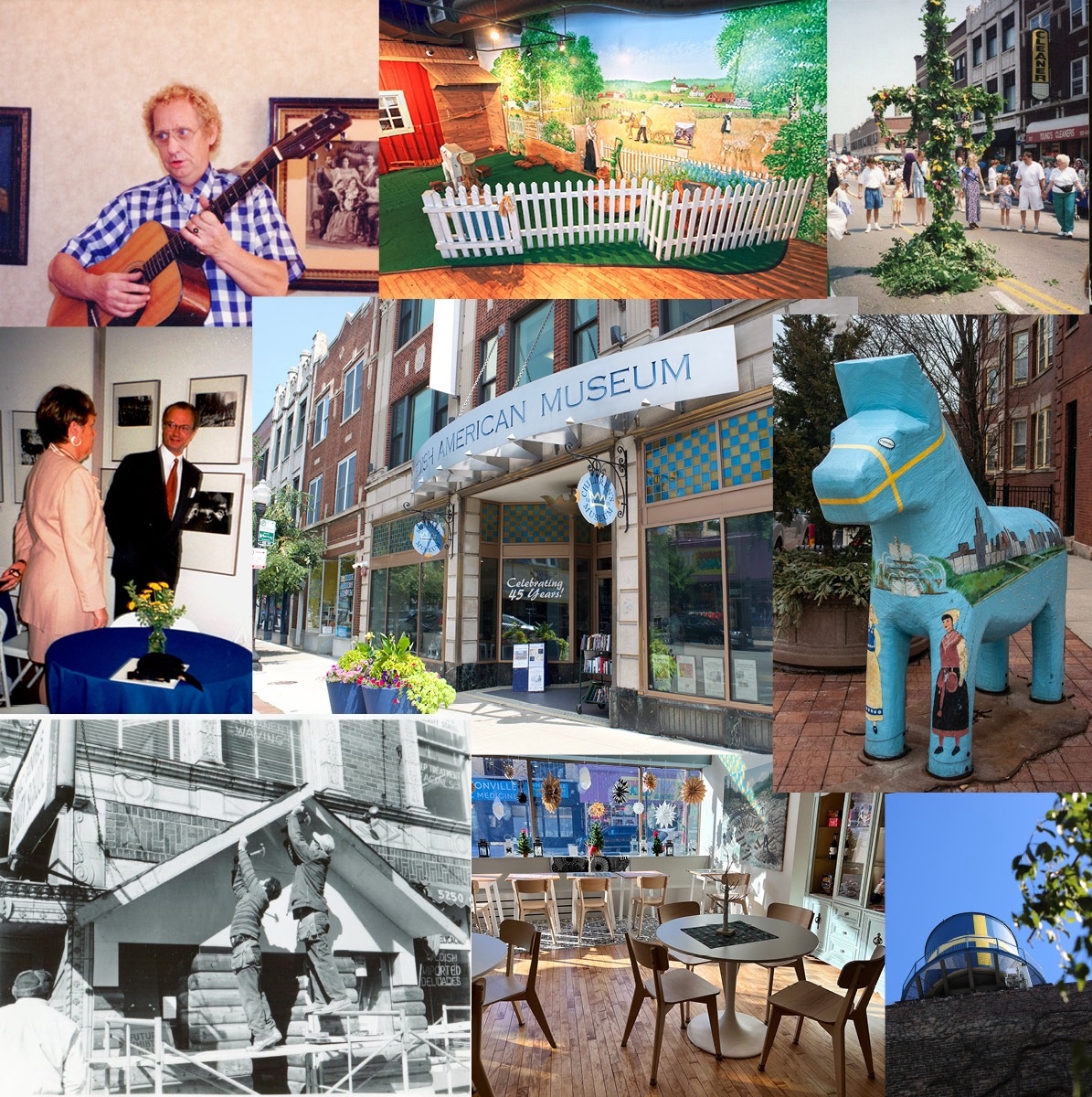 |
50 Years at the Swedish American Museum: Honoring our Roots, Cultivating TomorrowFriday, Aug. 14 – Sunday, Nov. 29This special display will highlight and honor the past 50 years of community at the Swedish American Museum. Since 1976, the Museum has been a cultural anchor for generations of Swedish Americans and a welcoming space for all to explore and reflect on the immigrant experience. This exhibit reflects on the journey: the visionary founders who brought the Museum to fruition, the milestones that shaped our growth against the backdrop of Chicago’s Andersonville neighborhood, and the staff, volunteers, artists, scholars, and visitors who breathed life into it. As we celebrate the Swedish American Museum’s golden anniversary, we invite you to look both backwards and forwards with us; to reflect on the legacy that the Museum has built over the past 50 years and look ahead to the future. |
Raoul Wallenberg Gallery
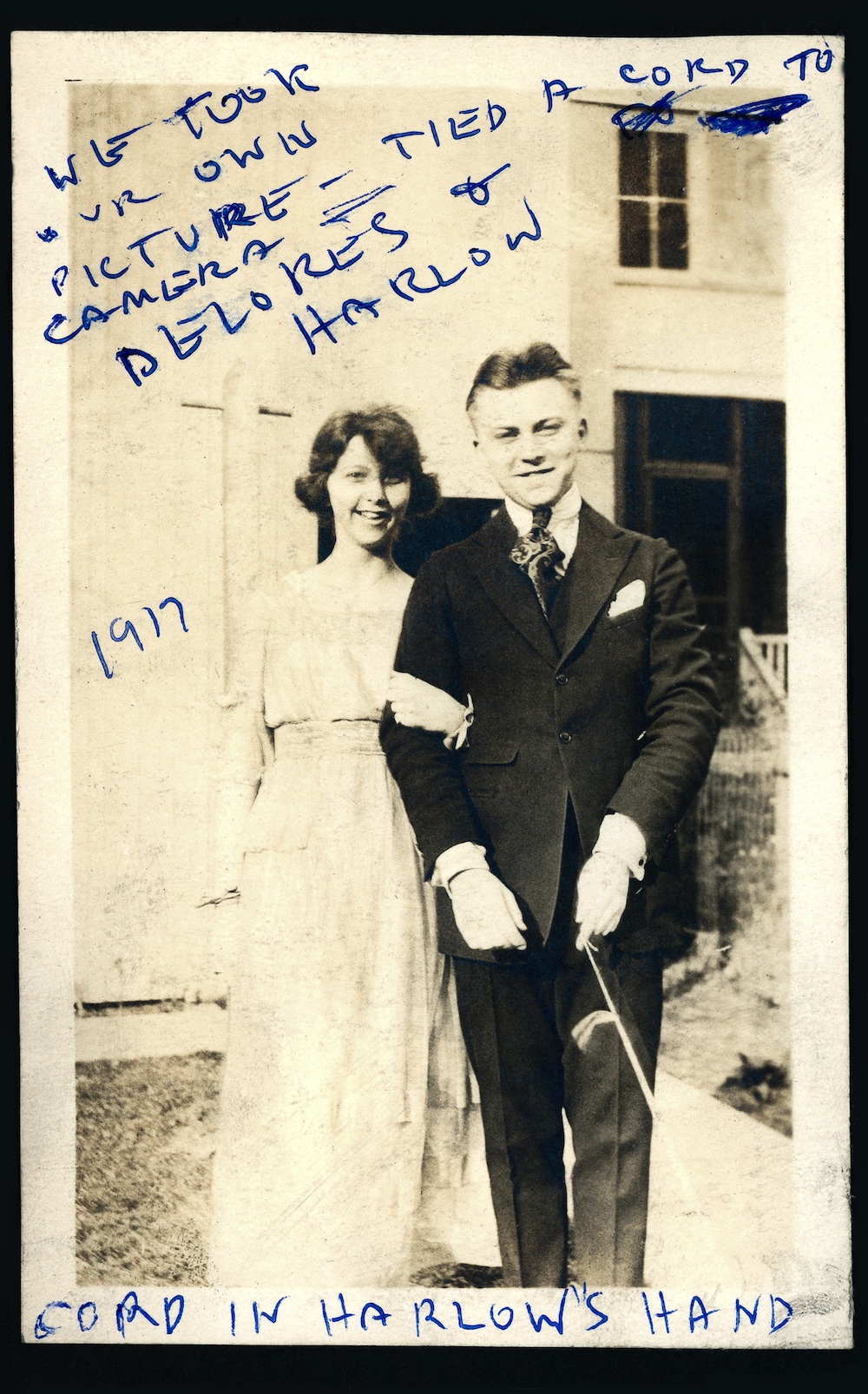 |
The Hellstroms of Melrose Street c. 1915Installation Art by Thomas HellstromOngoing – Sunday, Oct. 4, 2026
|
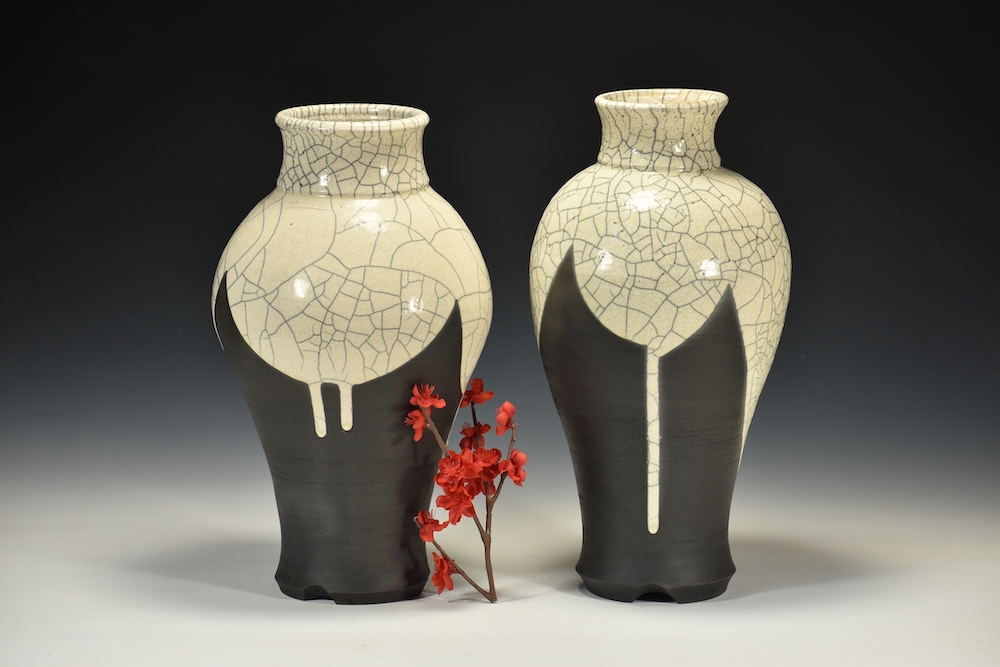 |
Unsettled Clay:Artwork by Carl MankertOct. 9, 2026 – Feb. 7, 2027
|
|
|
Mormors Café
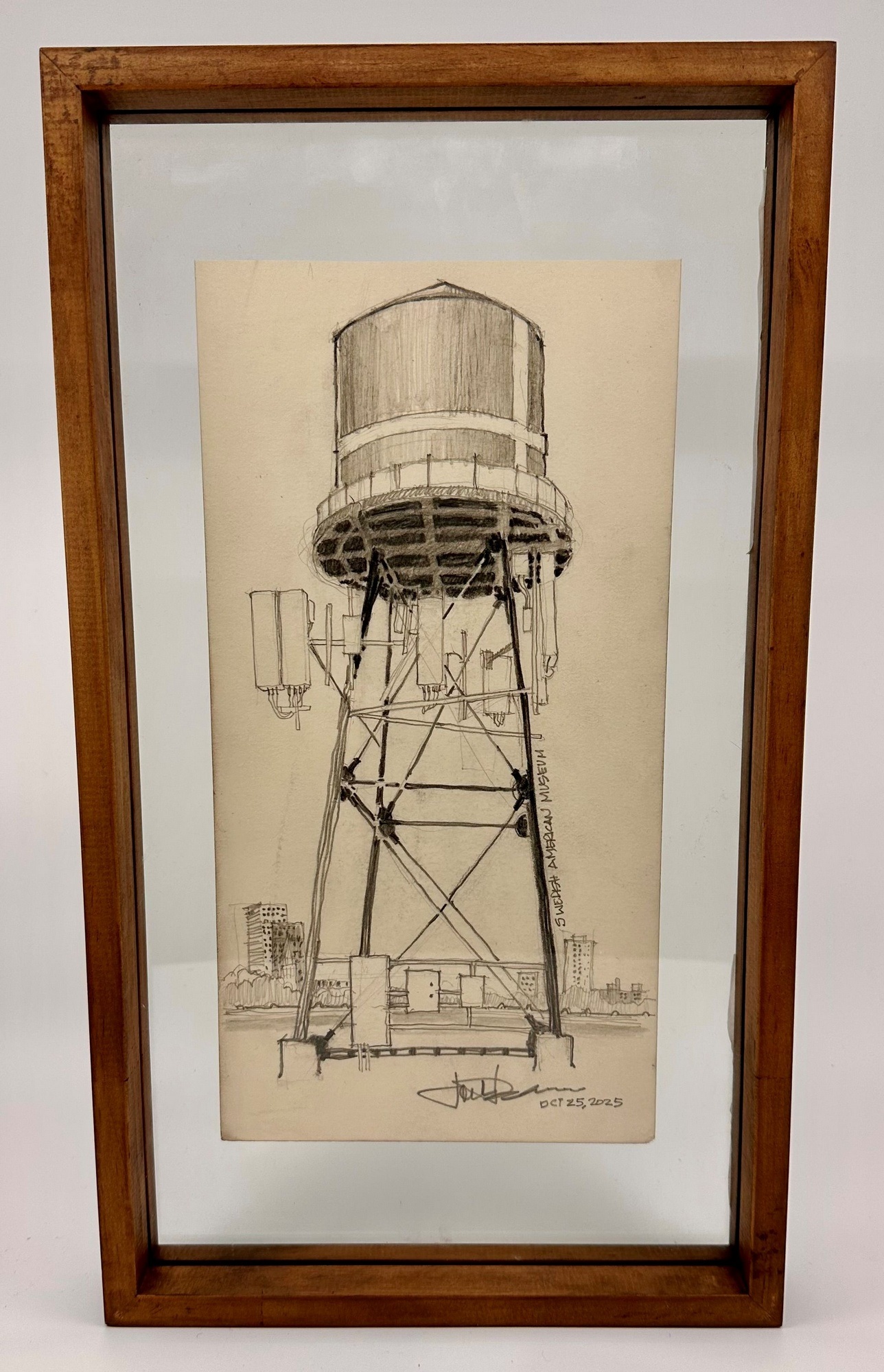 |
River RatArtwork by Joel BermanClosing Sunday, Sept. 20Joel's work is rooted in the process of Urban Sketching—a discipline of drawing on-site, in the moment, to capture what he sees and immediately process. The series Water is born out of his ritual on the Chicago River. As a self-proclaimed "River Rat," Joel's subject is kinetic, chaotic, and constantly shifting. Joel Berman is the Principal Architect and founder of Berman Architecture, a national design firm rooted right here in Andersonville. While his professional practice designs everything from complex retail franchise prototypes (including restaurants and bars) to adaptive reuse projects, his personal artistic pursuit is driven by capturing the immediate environment on site through rapid, expressive sketching. |
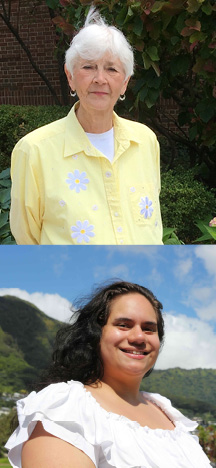 |
Living LegacyArtwork by Rae Penzin & Kaho'okele NapuahinanoExhibit Opens during Andersonville Arts Weekend
|
Andersonville Through the Ages
|
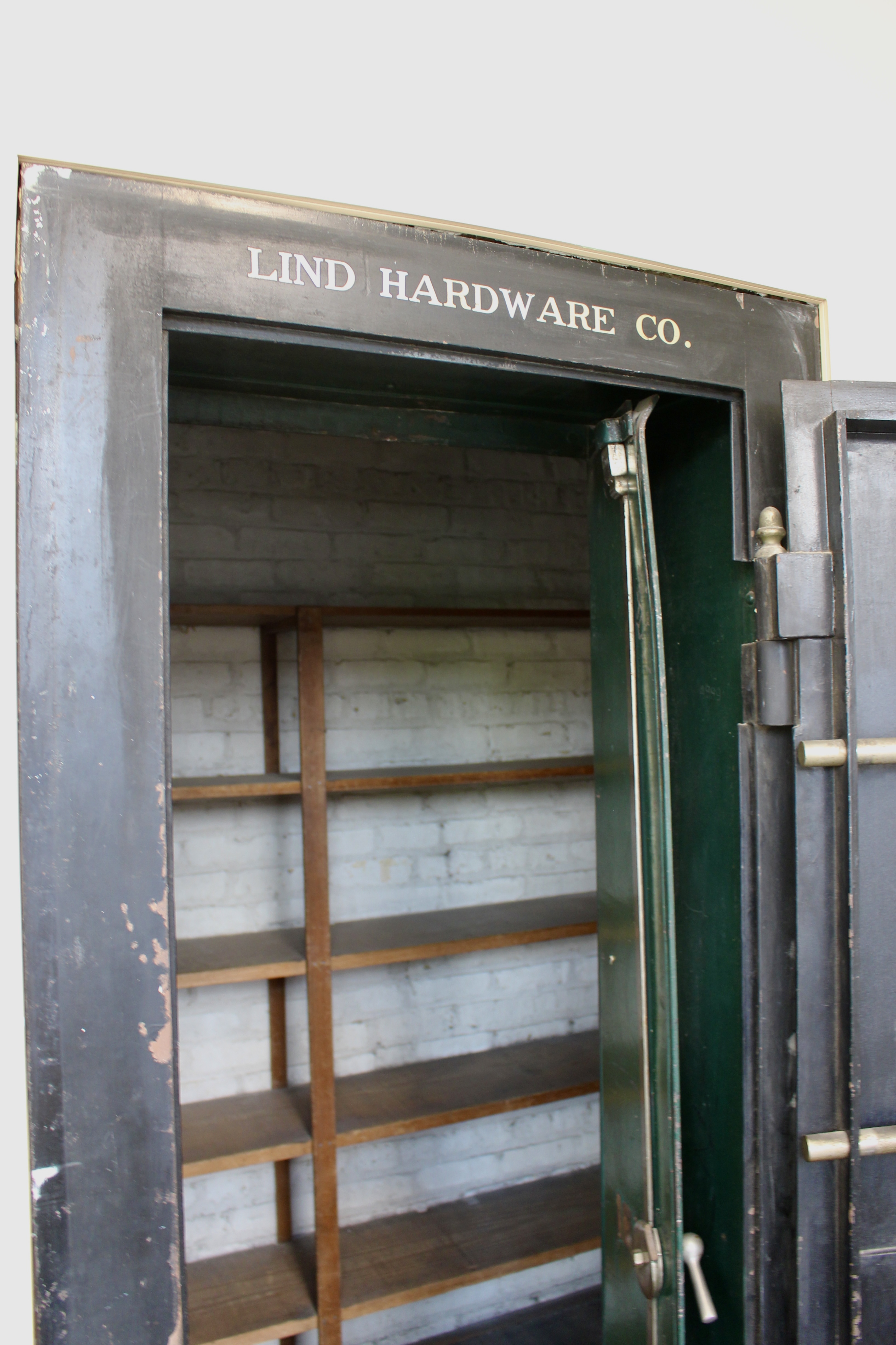 |
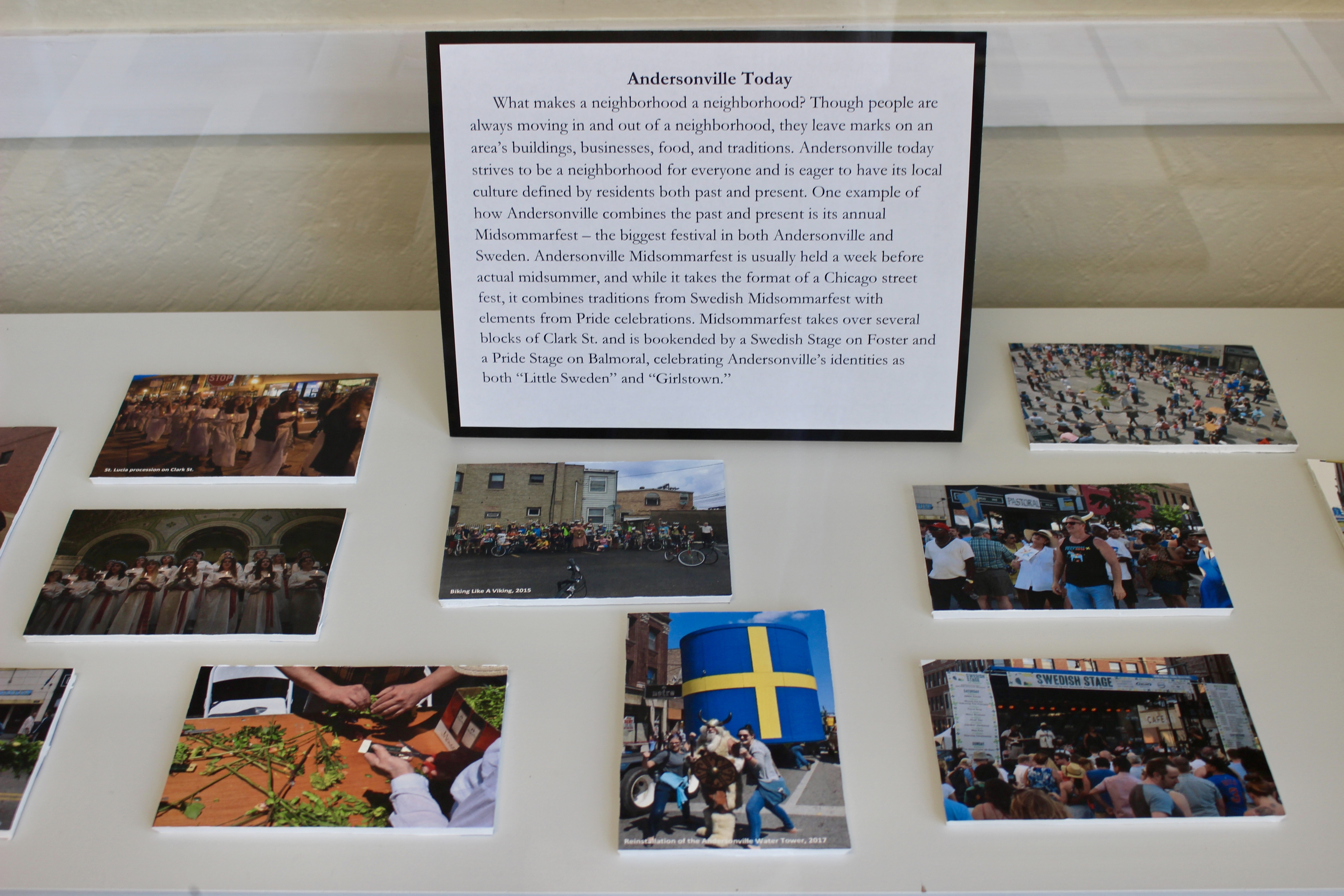
Sponsored by the Lind Family and Created in Collaboration with the DePaul History 391 Class of Spring 2020In The Lind Room on the Museum's second floor, the Andersonville Through the Ages exhibit showcases how Andersonville became and remained an area rich in Swedish heritage. It illustrates how Andersonville has evolved over the years to incorporate contemporary tastes and hold new community celebrations, all the while holding onto its Swedish character. |
Traveling Exhibit: Available for Loan
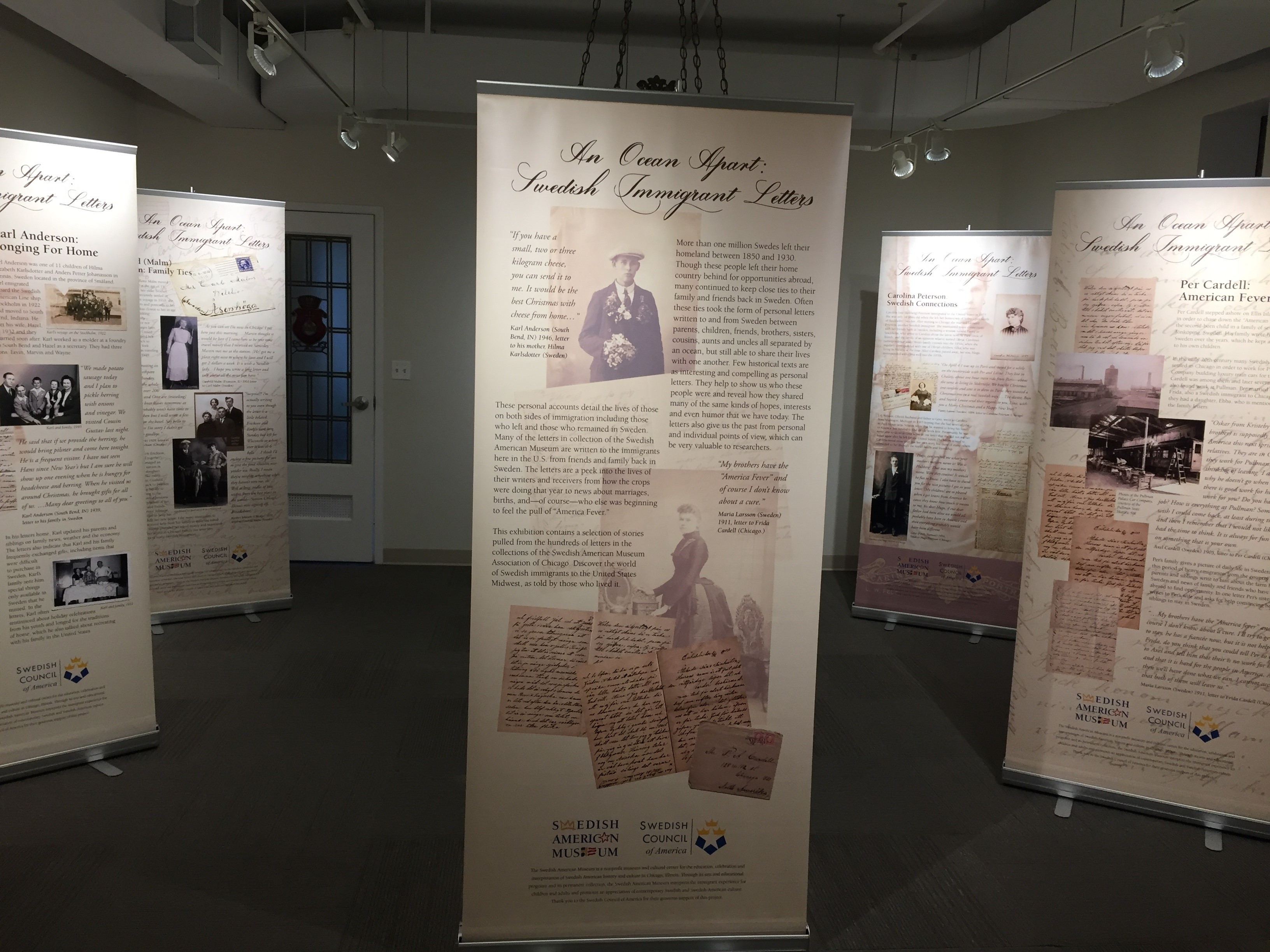 |
An Ocean Apart: Swedish Immigrant LettersBy the Swedish American MuseumSponsored by the Swedish Council of America More than one million Swedes left their homeland between 1850 and 1930. Though they left their home country behind for opportunities abroad, many continued to keep close ties to their family and friends back in Sweden. Often these ties took the form of personal letters written to and from Sweden between parents, children, friends, brothers, sisters, cousins, aunts and uncles all separated by an ocean, but still able to share their lives with one another. Few historical texts are as interesting and compelling as personal letters. They offer an insight into the lives of early 20th century Swedish immigrants and reveal how they shared many of the same kinds of hopes, interests and even humor that we have today. The letters also give us a look into the past from personal and individual points of view. These personal accounts detail the lives of those on both sides of immigration including those who left and those who remained in Sweden. Many of the letters in collection of the Swedish American Museum were written to the immigrants here in the U.S. from friends and family back in Sweden. The letters are a peek into the lives of their writers and receivers from how the crops were doing that year to news about marriages, births and—of course—who else was beginning to feel the pull of “America Fever.” This exhibition contains a selection of stories pulled from the hundreds of letters in the collection of the Swedish American Museum. Discover the world of Swedish immigrants to the United States Midwest, as told by those who lived it. Exhibition Materials: If you are interested, please contact Sarah Hawkinson, Curator, at shawkinson@samac.org
|
Please note that at times we use exhibit spaces for events during Museum hours and viewing can be limited.
All of our exhibits are wheelchair accessible.
Sponsors of our Special Exhibits: